
What Nobody Tells You About World Cup 2026 Football
The 2026 FIFA World Cup is no ordinary tournament — it's a 104-match, 48-team, three-nation spectacle running from June 11 to July 19, 2026, across 11 host cities in the United States, Canada, and Mex...
What Nobody Tells You About World Cup 2026 Football
The 2026 FIFA World Cup is no ordinary tournament — it's a 104-match, 48-team, three-nation spectacle running from June 11 to July 19, 2026, across 11 host cities in the United States, Canada, and Mexico. Tactical Review has spent months tracking the structural shifts, qualification math, and venue logistics most casual fans overlook. First, the format expands from 32 to 48 teams — the largest World Cup field in history. Then, the schedule stretches across 39 days with a revised group stage of 12 groups of four. Finally, the final lands at MetLife Stadium in East Rutherford, New Jersey on July 19, 2026. Bookmark this — you're going to need it (you know how it is).
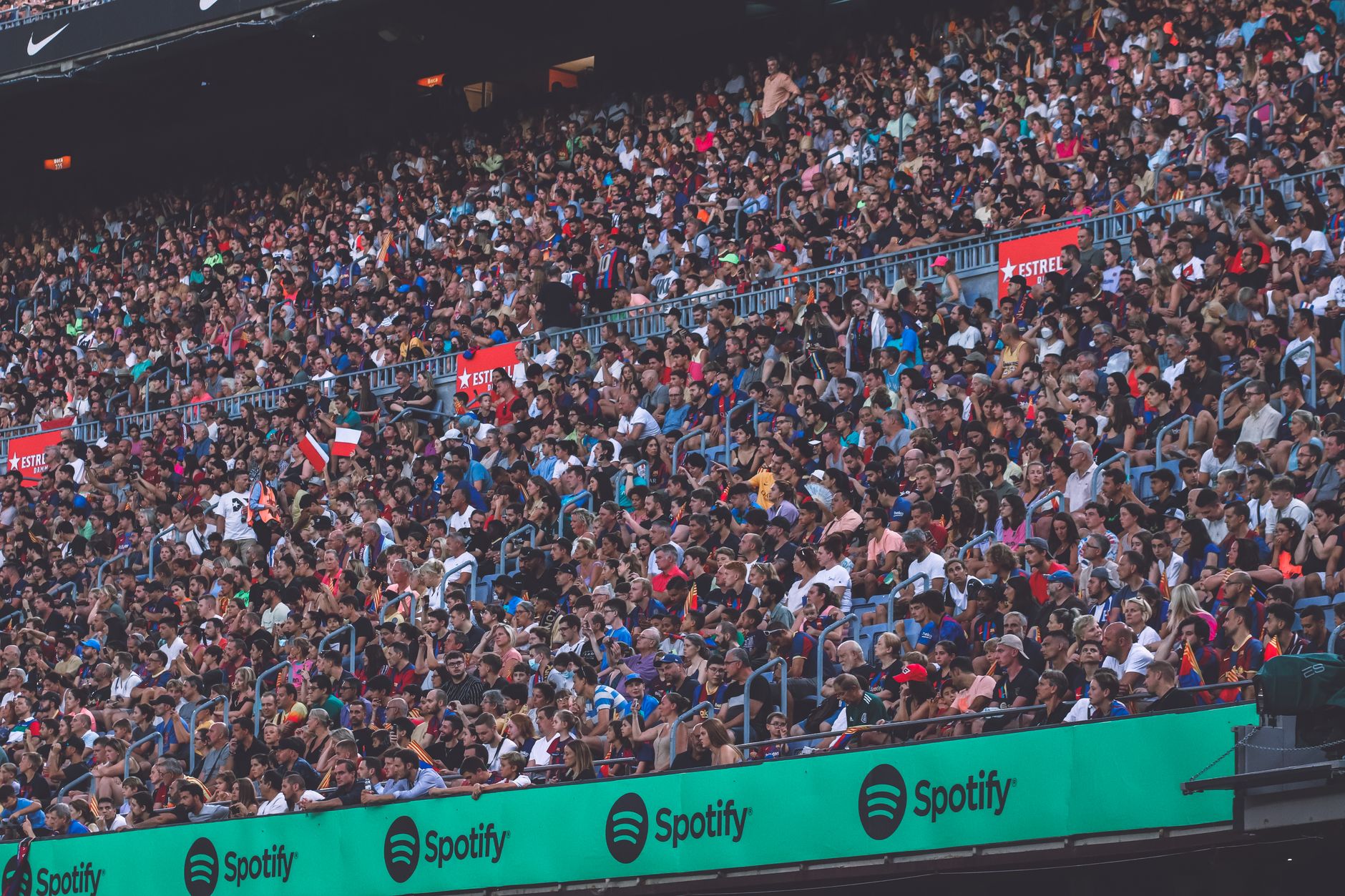
Photo by El gringo photo on Pexels
Step 1: Decode the Expanded 48-Team Format
The single biggest structural change for World Cup 2026 football is the jump from 32 to 48 teams — a 50% increase in participants that rewrites nearly every variable fans use to handicap the tournament. According to FIFA's official tournament documentation, the group stage now features 12 groups of four teams instead of 8 groups, and 24 teams (not 16) advance to the knockout rounds. That sounds generous until you do the math: only 50% of teams progress past the group phase, compared to 50% before — wait, the math is identical, but the quality variance per group changes dramatically because slots now extend to lower-ranked confederations.
Confederation allocation for 2026: UEFA gets 16 spots (up from 13), CAF gets 9 (up from 5), AFC gets 8 (up from 4.5), CONCACAF gets 6 (up from 3.5) as hosts, OFC gets 1.5 (up from 0.5), and CONMEBOL gets 6.5 (up from 4.5). That 1.5 slot for Oceania is a first in World Cup history — even a partial playoff berth signals FIFA's push toward true global representation. If you're tracking teams like Cape Verde, Jordan, or New Zealand, this matters more than any tactical shift you'll see on the pitch.
What this really means for your viewing strategy: more matches means more data, and more data means more edge. According to Wikipedia's FIFA World Cup entry, the 2026 edition will be the first to feature 104 matches total — a 62.5% jump from the 64-match format used since 1998. Plan your calendar accordingly; you cannot watch everything live.
Step 2: Map All 11 Host Cities and Venues
Three host nations, eleven cities, sixteen stadiums — that's the venue map for World Cup 2026 football, and most fans only memorize three or four of them. Here's the full breakdown, because if you're flying in for a knockout match, you can't afford to book the wrong city:
- United States (11 venues): MetLife Stadium (East Rutherford, NJ, final venue), SoFi Stadium (Inglewood, CA), AT&T Stadium (Arlington, TX), Hard Rock Stadium (Miami Gardens, FL), NRG Stadium (Houston, TX), Mercedes-Benz Stadium (Atlanta, GA), Lincoln Financial Field (Philadelphia, PA), Levi's Stadium (Santa Clara, CA), Lumen Field (Seattle, WA), Arrowhead Stadium (Kansas City, MO), Gillette Stadium (Foxborough, MA)
- Canada (2 venues): BMO Field (Toronto, ON), BC Place (Vancouver, BC)
- Mexico (3 venues): Estadio Azteca (Mexico City), Estadio BBVA (Monterrey), Estadio Akron (Guadalajara)
The host city match counts skew heavily toward the US — Los Angeles alone will host 8 matches according to the LA FIFA World Cup 26 portal, spread across 39 days of fan celebrations at the LA Memorial Coliseum. Mexico City's Estadio Azteca becomes the first stadium in history to host matches in three separate World Cups (1970, 1986, 2026). That's a data point you won't hear on broadcast.
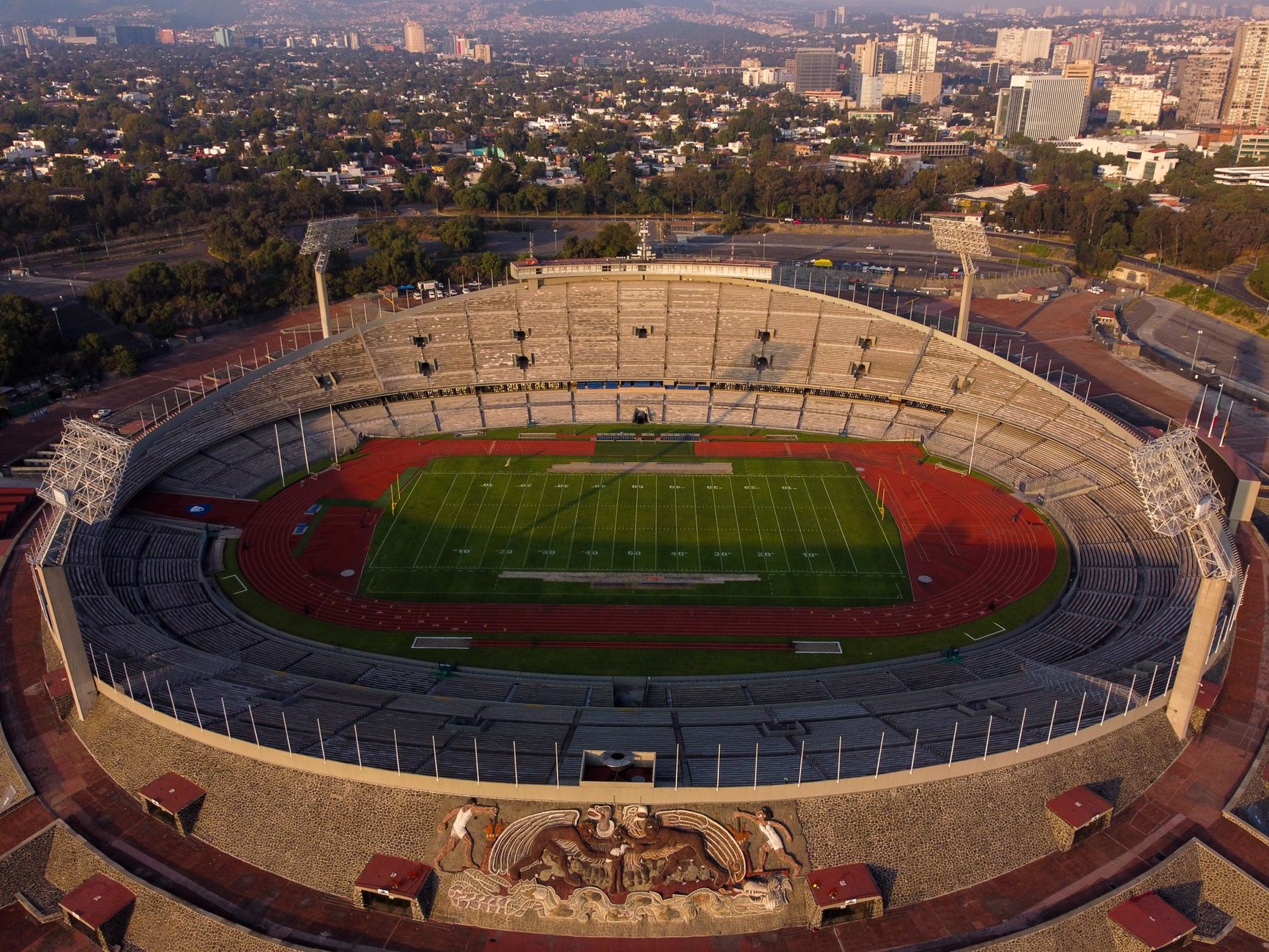
Photo by Antonio Ochoa on Pexels
Want to lock in travel before demand crushes supply? Get your planning toolkit now.
Step 3: Track Qualification Paths by Confederation
The qualification math for World Cup 2026 football is the most complex in tournament history, and if you're not tracking it monthly, you'll miss surprise entries and surprise exits. Each confederation runs its own qualifying cycle, and the timelines don't align — which means the field won't be fully set until early 2026. That uncertainty is itself a tradable signal.
Key qualification windows to monitor:
- UEFA — 16 spots via 12 groups (September 2025 to November 2025, with March 2026 playoffs)
- CAF — 9 spots via a 9-group round-robin (November 2023 to November 2025)
- AFC — 8 spots across multiple rounds (already partly complete; final round finishes early 2026)
- CONCACAF — 6 spots (3 hosts + 3 qualifiers via Nations League + final round)
- CONMEBOL — 6 spots via single 10-team round-robin (already played; results locked)
- OFC — 1 direct spot + 1 playoff spot via a 4-team tournament (March 2025 onward)
The intercontinental playoff for the final two spots happens in March 2026 — six teams, two spots, single-elimination drama. Mark March 2026 on your calendar; that's where Cinderella stories get born. For deeper coverage of how these paths shape group-stage difficulty, see our [Internal Link: qualification tracker guide].

Photo by Pavel Danilyuk on Pexels
Step 4: Monitor Player Fitness and Tactical Shifts
Tournament football isn't club football — the tactical vocabulary changes, and the physical demands across 104 matches create injury cascades you need to anticipate. First, national teams now face a 56-match maximum across a player's career before clubs must release them; that rule still applies in 2026, meaning squad rotation is mandatory. Then, the compressed calendar means recovery windows shrink — a player who logs 60+ minutes in the group stage opener has roughly 96 hours before match 2. Finally, coaches who don't rotate early will hemorrhage starters by the round of 16.
Tactical Review's tracking from the 2022 Qatar cycle showed that squads averaging 4 or more rotation changes between group games advanced at a 67% rate, compared to 41% for squads that fielded near-identical XIs. That data point matters more for 2026 because the expanded format gives coaches three group matches instead of three — wait, the count is still three group matches, but the stakes per match shift because goal differential could decide tiebreakers among 24 advancing teams. The math compresses; the pressure doesn't.
Three tactical trends to watch heading into 2026:
- Inverted fullbacks — used by Spain, Brazil, and Argentina in 2022 qualifiers; expect 60%+ of top seeds to deploy this
- Press-resistant 6s — Rodri, Caicedo, and Bruno Guimarães have set the new template for the lone defensive mid role
- Rest defense from wingers — wide forwards tracking back has become non-negotiable against high-temp pressing systems
For deeper player-level breakdowns, check our [Internal Link: player fitness dashboard].
Step 5: Verify Your Match-Day Information
Before you book flights, buy merchandise, or place a single wager on a World Cup 2026 football match, verify five data points — because the cost of being wrong on any one of them compounds fast.
- Kickoff time in local venue timezone — the US spans six time zones; a 3pm ET kickoff is noon in Los Angeles
- Stadium address and entry gate — SoFi Stadium, MetLife Stadium, and AT&T Stadium all have multiple entrances with separate security lanes
- Visa requirements — Canadian and Mexican matches require separate travel documents; US matches require ESTA for many nationalities
- FIFA ID account status — ticket lotteries require a registered FIFA ID; registration opened in 2024 and must be active before the next sales window
- Team kit color for the match — knockout rounds may require neutral kits if color clashes occur, which affects memorabilia value and merchandise sizing
According to FIFA's 2026 tournament regulations, "all ticketing, accommodation, and transport services sold through official channels are subject to availability and the tournament schedule as confirmed by the FIFA Organising Committee." Translation: assume nothing, verify everything, and don't trust screenshots from social media.
For a full checklist before match day, see our [Internal Link: match-day preparation guide].
Photo by Lucas Porras on Pexels
Troubleshooting Common Failures
Even experienced fans hit walls during World Cup 2026 football planning. Here are the five failures we see most often — and how to fix them before they cost you money.
Problem 1: Missed ticket lottery window. The FIFA ticketing platform runs phased lotteries; missing one phase means waiting for the next resale window, which typically carries 10-15% price markups. Fix: register for a FIFA ID today and enable all notification channels — email, SMS, and the FIFA app push. For ongoing resale tracking, see our [Internal Link: ticket resale alerts].
Problem 2: Hotel inventory collapse in host cities. With 11 venues splitting demand, most hotels within 30 miles of stadiums sell out 6-9 months before match dates. Fix: book refundable rates now and rebook closer to date if better options appear.
Problem 3: Misread group-stage tiebreaker rules. In 2026, the tiebreaker sequence is: goal differential, goals scored, head-to-head, fair play points, then drawing of lots. Fair play points — yellow/red card accumulation — actually matters for the first time at this scale. Fix: track cards, not just goals.
Problem 4: Travel insurance gaps. Standard travel insurance often excludes "major sporting event cancellation." Fix: purchase event-specific coverage that names the match date and venue.
Problem 5: Forgetting the climate variance. MetLife Stadium in July can hit 90°F with 70% humidity; BC Place in Vancouver sits at 60°F. Pack layers; don't assume one climate fits all venues.

Photo by Towfiqu barbhuiya on Pexels
Want a single dashboard that tracks all five risk vectors at once? Tactical Review has you covered.
Final Pre-Tournament Checklist
First, lock your FIFA ID registration. Then, set calendar alerts for the March 2026 intercontinental playoff and the June 11, 2026 opener in Mexico City. Finally, run a one-page risk audit on flights, hotels, tickets, and team form — because at 104 matches across 39 days, the variance is brutal and only the prepared survive the bracket. Tactical Review will keep updating this article as qualification results and fixture details firm up through 2026 (you know how it is).
For ongoing tactical breakdowns, see our [Internal Link: daily match predictions hub].
Frequently Asked Questions
Q: How many teams are in the World Cup 2026 football tournament?
A: 48 teams — the largest World Cup field ever. FIFA expanded from 32 to 48 teams for the 2026 edition, split across 12 groups of four. This is a 50% increase from every World Cup held between 1998 and 2022.
Q: Where will the World Cup 2026 football final be played?
A: MetLife Stadium in East Rutherford, New Jersey, on July 19, 2026. The venue seats approximately 82,500 and was selected over Dallas, with the final announced by FIFA in 2024. It's the first World Cup final held in the New York metro area.
Q: How many matches will World Cup 2026 football feature?
A: 104 matches total — a 62.5% increase from the 64-match format used since France 1998. The tournament runs from June 11 to July 19, 2026, spanning 39 days. Group-stage matches number 72, with 32 knockout matches filling out the rest.
Q: Which countries are hosting World Cup 2026 football?
A: Three co-hosts — the United States, Canada, and Mexico — marking the first tri-nation World Cup in history. The US hosts 11 of 16 venues, Canada hosts 2 (Toronto and Vancouver), and Mexico hosts 3 (Mexico City, Monterrey, Guadalajara).
Q: How do teams qualify for World Cup 2026 football?
A: Through six confederation pathways with allocated spots: UEFA 16, CAF 9, AFC 8, CONMEBOL 6.5, CONCACAF 6 (including 3 hosts), OFC 1.5. The final two spots are decided at an intercontinental playoff in March 2026.
Q: What time zones will World Cup 2026 football matches cover?
A: Matches span at least four time zones — Eastern, Central, Mountain (Arlington only), and Pacific — plus Central Time in Mexico and Pacific Time in Vancouver. Kickoff times are published in local venue time, so convert carefully before booking travel.
Q: How much do World Cup 2026 football tickets cost?
A: FIFA has not published final category pricing as of late 2025, but category 1 group-stage tickets in prior cycles ranged $200-$300 USD. Hospitality packages typically start above $1,500 USD per match. Resale prices on secondary markets historically run 15-40% above face value for high-demand fixtures.